
Outdoor Adventures
Surfing, Kitesurfing & Water Sports in Cape Town

From beginner-friendly waves to world-class wind conditions, Cape Town is one of the top water sports destinations in the world, thanks to its unique geography where the Atlantic and Indian Oceans meet. With consistent swells, powerful winds, and diverse coastal conditions, the city attracts surfers, kitesurfers, windsurfers, paddleboarders, and adventure seekers year-round.
Whether you’re learning to surf in warm, gentle waves or harnessing the wind for adrenaline-fueled kitesurfing, Muizenberg, Bloubergstrand, and Langebaan Lagoon offer unforgettable water sports experiences.
Why Cape Town Is a Global Water Sports Hotspot
- Two oceans = varied wave and wind conditions
- Reliable summer winds for kitesurfing
- Beginner to expert spots within short driving distance
- Professional surf schools and gear rentals widely available
- Stunning backdrops of Table Mountain, dunes, and lagoons
Cape Town isn’t just scenic — it’s seriously functional for water sports.
Muizenberg: Surfing Capital & Beginner’s Paradise

Why Surf Muizenberg?
Muizenberg Beach is the most famous surf beach in South Africa and one of the best beginner surf destinations in the world.
What Makes It Special
- Long, gentle rolling waves
- Sandy bottom (safer for beginners)
- Warmer Indian Ocean water
- Dozens of surf schools and board rentals
Surfing Experience
- Best for: Beginners and intermediates
- Wave type: Slow, forgiving beach breaks
- Best time: Morning sessions (less wind, cleaner waves)
Other Water Sports
- Stand-up paddleboarding (SUP)
- Bodyboarding
- Open-water swimming
👉 Insider Tip: Start your surf lesson early, then enjoy breakfast at one of the beachfront cafés afterward.
Bloubergstrand: Kitesurfing, Windsurfing & Big Energy

Why Bloubergstrand Is World-Famous
Bloubergstrand is consistently ranked among the top kitesurfing destinations globally.
Ideal Conditions
- Strong, consistent south-easterly winds
- Open Atlantic swells
- Wide beaches with launch zones
- Iconic Table Mountain backdrop
Best Water Sports Here
- Kitesurfing (beginner to pro)
- Windsurfing
- Advanced wave riding
- Kite competitions and freestyle events
Who It’s Best For
- Intermediate and advanced riders
- Adrenaline seekers
- Photographers and spectators
👉 Tip: Even non-participants should visit — watching colorful kites fly across the sky with Table Mountain behind them is unforgettable.
Langebaan Lagoon: Flat Water, Freestyle & Family Fun

Why Langebaan Lagoon Is Unique
Located about 1 hour north of Cape Town, Langebaan Lagoon offers mirror-flat water, making it one of the best freestyle kitesurfing and windsurfing spots in the world.
Conditions
- Protected lagoon = calm, shallow water
- Ideal for beginners and freestyle riders
- Strong but smooth winds
- Warmer water than the Atlantic coast
Water Sports Available
- Kitesurfing & windsurfing
- Kayaking
- SUP (stand-up paddleboarding)
- Sailing
Great For
- Beginners learning water sports
- Families and groups
- Freestyle tricks and training camps
👉 Bonus: Langebaan is inside West Coast National Park, combining water sports with wildlife, flowers, and lagoons.
Best Time of Year for Water Sports
| Season | Conditions | Best Activities |
|---|---|---|
| Nov–Feb | Strong winds, warm weather | Kitesurfing, windsurfing |
| Mar–May | Calmer, warm water | Surfing, SUP |
| Jun–Aug | Bigger swells, colder | Advanced surfing |
| Sep–Oct | Balanced conditions | Mixed water sports |
👉 Summer is kite season, winter is surf season.
Lessons, Rentals & Schools
Cape Town has top-tier instructors and equipment:
- Beginner surf lessons in Muizenberg
- Certified kite schools in Blouberg and Langebaan
- Multi-day camps and private coaching
- Gear rental for short-term travelers
Most schools include boards, wetsuits, safety gear, and insurance.
Safety Tips for Water Sports
- Always check wind and swell forecasts
- Take lessons if you’re new
- Respect local surf and kite etiquette
- Avoid strong offshore winds if inexperienced
- Use lifeguarded beaches when possible
Final Thoughts
Cape Town is a dream destination for water sports lovers. Whether you’re learning to surf at Muizenberg, riding powerful winds at Bloubergstrand, or enjoying flat-water freestyle at Langebaan Lagoon, the variety and quality here are unmatched.
With professional schools, epic scenery, and year-round conditions, Cape Town delivers world-class water sports with African soul.
Outdoor Adventures
Hiking Trails & Nature Walks in Cape Town: From Sunrise Peaks to Coastal Paths

Few cities in the world can rival Cape Town’s natural beauty, where mountains rise dramatically from the sea and hiking trails weave through fynbos-covered slopes. Whether you’re chasing a sunrise on Lion’s Head, exploring Devil’s Peak’s rugged ridges, or breathing in ocean air along Cape Point’s coastal paths, Cape Town offers an adventure for every type of hiker.
From easy nature walks to challenging summit climbs, these trails reveal the wild heart of the Mother City. Here’s your complete guide to the best hiking and walking experiences around Cape Town.
1. Lion’s Head: Cape Town’s Iconic Sunrise Hike
Why It’s Famous
- The Lion’s Head hike is a must-do for both locals and travelers.
- Rising between Table Mountain and Signal Hill, it offers 360° views of Cape Town, the Atlantic Ocean, and Table Bay.
The Experience
- Trail length: 5.5 km round trip.
- Time: 1.5–2 hours up, shorter coming down.
- Difficulty: Moderate—short but steep, with optional ladders and chains near the top.
- Best time: Sunrise or sunset for spectacular lighting and cooler temperatures.
👉 Insider Tip: Bring a headlamp if hiking for sunrise, and pack snacks for the summit. The circular path ensures panoramic photos in every direction.
2. Devil’s Peak: For the Adventurous Explorer
Why Hike Devil’s Peak?
- Often overshadowed by Table Mountain, Devil’s Peak offers equally stunning views and fewer crowds.
- Named for its rugged shape and swirling clouds, this hike is ideal for experienced hikers seeking a challenge.
The Experience
- Trail length: 7–9 km depending on route.
- Time: 3–4 hours return.
- Difficulty: Strenuous—steep ascents and uneven terrain.
- Best route: From Tafelberg Road or Newlands Forest.
- Highlights: Viewpoints of Table Bay, the city bowl, and the Cape Flats.
👉 Fun Fact: Local legend says Table Mountain’s “tablecloth” of clouds is the result of a smoking contest between the Devil and a local pirate!
3. Cape Point Trails: Coastal Beauty at Its Best
Located within Table Mountain National Park, Cape Point offers some of the most breathtaking coastal walks in South Africa.
Popular Trails
- Cape of Good Hope Trail: Short, scenic route to the iconic signboard.
- Lighthouse Keeper’s Trail: Walk from the parking area to the old lighthouse for panoramic views.
- Shipwreck Trail: Explore the remains of ships lost to the Cape’s turbulent seas.
What to Expect
- Wildlife: Ostriches, baboons, antelope, and seabirds.
- Duration: 1–4 hours depending on the trail.
- Difficulty: Easy to moderate.
👉 Tip: Start early to avoid heat and strong winds, and bring water, sunscreen, and a hat.
4. Table Mountain: The Ultimate Cape Town Hike
No list of Cape Town hikes is complete without Table Mountain, one of the New 7 Wonders of Nature.
Best Routes
- Platteklip Gorge: The most direct and popular route—steep but rewarding.
- Skeleton Gorge (from Kirstenbosch): Shady, lush, and challenging, ending near Maclear’s Beacon (the summit).
- India Venster: More technical with scrambling sections, offering incredible city views.
The Experience
- Time: 2–5 hours depending on the route.
- Difficulty: Moderate to strenuous.
- Tip: You can take the cable car down if you prefer not to hike both ways.
👉 Combine adventure with convenience—hike up, then relax as you glide back to the base on the rotating cableway.
5. Constantia Greenbelt & Cecelia Forest: Easy Nature Walks
For something gentler, the Constantia Greenbelt offers leafy walking paths through Cape Town’s southern suburbs.
- Perfect for families and joggers.
- Trails connect through Cecilia Forest, with shaded paths, waterfalls, and mountain streams.
- Dog-friendly and ideal for weekend picnics.
👉 Tip: Visit after rain when the waterfalls are at their most beautiful.
6. Silvermine Nature Reserve: Panoramic and Peaceful
- Located near Noordhoek and Fish Hoek, Silvermine offers moderate trails with views of both oceans.
- The Elephant’s Eye Cave Trail is a favorite, leading to a large cave overlooking False Bay.
- Duration: 2–3 hours.
- Difficulty: Moderate.
- Great for birdwatching and photography.
7. Chapman’s Peak & Noordhoek Beach Walk
Combine mountain and sea views in one unforgettable walk.
- Chapman’s Peak Drive has short trails leading to lookouts over Hout Bay.
- Down below, Noordhoek Beach offers endless stretches of white sand perfect for sunset strolls.
👉 Tip: Visit around sunset for golden views over the Atlantic.
8. Safety Tips for Hikers
- Always check the weather forecast—Cape Town’s mountain conditions can change quickly.
- Never hike alone; join a guided group or go with friends.
- Start early to avoid afternoon winds.
- Bring essentials: water, snacks, sunscreen, hat, and a charged phone.
- Respect wildlife—keep your distance from baboons and other animals.
- Download maps offline (e.g., AllTrails or SANParks apps).
9. When to Go Hiking in Cape Town
Summer (Nov–Feb): Clear skies and long days, but start early to beat the heat.
- Autumn (Mar–May): Cooler, calm weather—ideal for hiking.
- Winter (Jun–Aug): Green landscapes and waterfalls after rain.
- Spring (Sep–Oct): Wildflowers in bloom, perfect for photography.
👉 For the best experience, hike early mornings or late afternoons to enjoy cooler temperatures and soft lighting.
Final Thoughts
Hiking in Cape Town is an unforgettable experience—each trail reveals a different side of the city’s natural beauty. From the sunrise glow on Lion’s Head to the wild cliffs of Cape Point, these routes invite travelers to connect with nature, challenge themselves, and see Cape Town from its most breathtaking angles.
Whether you’re a seasoned hiker or a casual walker, Cape Town’s trails offer the perfect mix of adventure, tranquility, and spectacular scenery.
Outdoor Adventures
Best Beaches in Cape Town: From Glamour to Surf Culture

Cape Town is one of the world’s most spectacular beach destinations, where white-sand coves, dramatic mountain backdrops, and vibrant beach culture come together in unforgettable ways. Whether you’re looking for glamorous seaside lounging, world-class surfing, or postcard-perfect ocean views, Cape Town’s beaches offer something for every traveler. Explore the best beaches in Cape Town.
From the fashionable shores of Clifton and Camps Bay to the laid-back surf vibe of Muizenberg and the wind-swept beauty of Bloubergstrand, these beaches are an essential part of the Cape Town lifestyle.
Clifton & Camps Bay: Glamorous, Trendy & Iconic
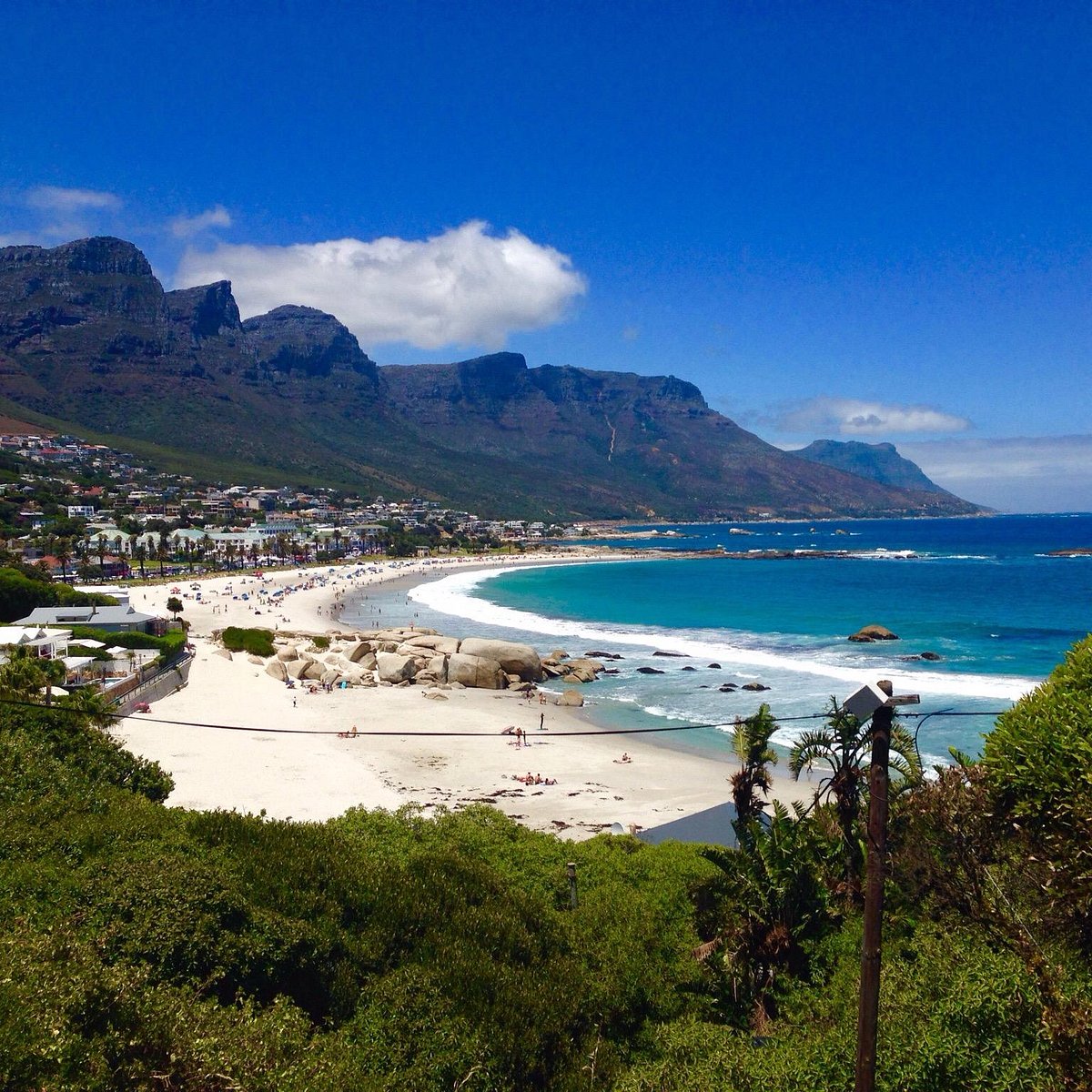
Why Visit Clifton & Camps Bay?
The Atlantic Seaboard beaches of Clifton Beach and Camps Bay Beach are Cape Town’s most glamorous coastal hotspots. Framed by the Twelve Apostles mountain range and lapped by icy Atlantic waters, these beaches are famous for their beauty, style, and people-watching.
Clifton Beach
Clifton is made up of four separate beaches, each sheltered by massive granite boulders that block the wind.
- Clifton 4th Beach: The most popular and social, often filled with locals, celebrities, and visitors.
- Clifton 1st–3rd Beaches: Quieter and more relaxed, ideal for sunbathing.
What to expect:
- Crystal-clear water and powdery white sand
- Minimal facilities (bring your own snacks and drinks)
- Best visited on calm summer days
👉 Tip: Clifton is perfect for sunset picnics, but arrive early during peak summer months.
Camps Bay Beach
Just a short walk from Clifton, Camps Bay offers a lively mix of beach life and city energy.
- Palm-lined promenade with cafés and cocktail bars
- Volleyball courts and a vibrant social scene
- Ideal for travelers who want the beach and dining within steps
👉 Camps Bay is one of the best places in Cape Town to enjoy sunset drinks with ocean views.
Muizenberg: Surfer’s Paradise & Colorful Culture
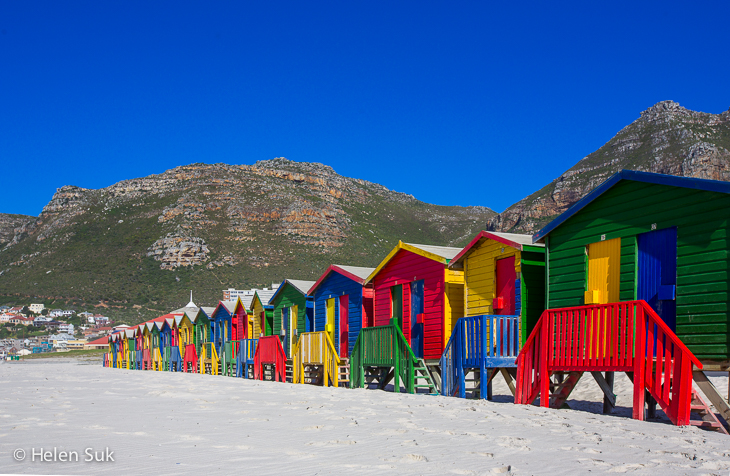
Why Visit Muizenberg?
Located on the warmer waters of False Bay, Muizenberg Beach is the heart of Cape Town’s surf culture and one of the best beginner surf beaches in the world.
What Makes Muizenberg Special?
- Gentle rolling waves, perfect for beginners
- Dozens of surf schools and board rentals
- Iconic brightly colored beach huts, one of Cape Town’s most photographed scenes
Surfing & Activities
- Surf lessons available year-round
- Ideal for families due to shallow entry and warmer water
- Great beachfront cafés and bakeries nearby
👉 Insider Tip: Early mornings offer calmer waves and fewer crowds.
Bloubergstrand: Windsurfing & Postcard Views

Why Visit Bloubergstrand?
If you’ve ever seen a postcard of Table Mountain across the ocean, chances are it was taken from Bloubergstrand.
This beach is world-renowned for its dramatic mountain views, steady winds, and extreme water sports.
What to Expect
- One of the best kitesurfing and windsurfing destinations globally
- Wide, open beach perfect for long walks
- Cooler water and strong winds
Best For
- Adventure seekers
- Photographers chasing iconic Cape Town shots
- Sunset lovers looking for expansive views
👉 Tip: Even if you don’t kitesurf, watching the colorful kites against Table Mountain is unforgettable.
Choosing the Right Beach for Your Style
| Beach Area | Best For |
|---|---|
| Clifton | Sunbathing, glamour, scenic beauty |
| Camps Bay | Social vibes, dining, sunsets |
| Muizenberg | Surfing, families, culture |
| Bloubergstrand | Kitesurfing, photography, long walks |
Best Time to Visit Cape Town Beaches
- Summer (Nov–Feb): Best beach weather, lively atmosphere
- Autumn (Mar–May): Fewer crowds, warm water remains
- Winter (Jun–Aug): Great for walks and photography
- Spring (Sep–Oct): Mild weather and clear skies
👉 Atlantic beaches (Clifton & Camps Bay) are colder year-round, while False Bay beaches like Muizenberg are warmer.
Beach Safety Tips
- Swim only where lifeguards are present
- Be cautious of strong currents and cold-water shock
- Don’t leave valuables unattended
- Respect weather and wind conditions
Final Thoughts
Cape Town’s beaches are as diverse as the city itself. From the luxury and style of Clifton and Camps Bay, to the easygoing surf culture of Muizenberg, and the jaw-dropping scenery of Bloubergstrand, each beach offers a unique way to experience the Mother City.
Whether you’re chasing waves, sunsets, social energy, or peaceful walks, Cape Town’s coastline promises memories that last a lifetime.
Outdoor Adventures
Whale Watching in Hermanus: The Best Place in the World to See Whales from Shore

Few wildlife experiences compare to watching giant whales breach just meters from the coastline—and nowhere on Earth does this better than Hermanus, South Africa’s whale-watching capital.
Located along the scenic Walker Bay coastline, Hermanus offers one of the best land-based whale watching experiences in the world. Between June and November, southern right whales migrate here to mate, calve, and nurse their young, putting on spectacular displays visible directly from cliffs, beaches, and walking paths.
Whether you’re a first-time visitor or a seasoned wildlife enthusiast, whale watching in Hermanus is a once-in-a-lifetime experience and a must-do day trip from Cape Town.
Why Hermanus Is World-Famous for Whale Watching

Hermanus sits on the edge of Walker Bay, a sheltered bay that provides calm, shallow waters—ideal conditions for whales and their calves.
What makes Hermanus exceptional:
- Whales swim extremely close to shore
- No boat required for unforgettable sightings
- Elevated cliffs provide natural viewing platforms
- Consistent annual migration patterns
- Protected marine environment
It’s so reliable that Hermanus is often ranked among the top whale-watching destinations globally.
Whale Watching Season in Hermanus (June–November)
Peak Months Explained
- June–July: First whales arrive; fewer crowds, peaceful atmosphere
- August–September: Peak season—highest whale numbers and frequent breaching
- October: Calves are most visible, playful surface activity
- November: Whales begin migrating back to Antarctic waters
👉 Best overall months: August to October for sightings, weather, and activity.
The Stars of the Show: Southern Right Whales

The primary species seen in Hermanus is the southern right whale, named because they were once considered the “right” whales to hunt—thankfully now fully protected.
Quick Facts
- Length: Up to 18 meters
- Weight: Up to 80 tons
- Easily identified by white callosities on their heads
- Known for breaching, tail-slapping, and spy-hopping
You may also spot:
- Humpback whales
- Bryde’s whales
- Dolphins and Cape fur seals
Best Places to Watch Whales in Hermanus
Cliff Path Walk
One of the most scenic coastal walks in South Africa, stretching over 12 km along the shoreline.
- Benches and viewpoints throughout
- Ideal for photography
- Easy walking terrain
Gearing’s Point
- Most famous whale-viewing lookout
- Whales often swim directly below
- Central location in town
Sievers Point & De Kelders
- Slightly quieter areas
- Great for extended viewing sessions
- Excellent during peak season
👉 Tip: Bring binoculars, although many sightings are visible to the naked eye.
Boat-Based Whale Watching Tours

For those wanting a closer encounter, licensed operators offer ethical boat-based whale watching tours.
What to Expect
- Departures from nearby harbors (Hermanus or Gansbaai)
- Marine biologists onboard
- Strict distance and conservation rules
- 2–3 hour tours
👉 Boat tours are weather dependent and best booked during peak season.
The Famous Hermanus Whale Crier
One of Hermanus’ most unique traditions is the Hermanus Whale Crier.
- Uses a kelp horn to announce whale sightings
- Walks through town signaling where whales can be seen
- A beloved cultural icon and photo opportunity
This tradition makes Hermanus the only town in the world with an official Whale Crier.
Whale Festival: Celebrating the Giants of the Ocean
Every year in late September, Hermanus hosts the Hermanus Whale Festival.
Festival Highlights
- Live music and entertainment
- Conservation talks and exhibitions
- Food markets and family activities
- Peak whale sightings
👉 If you want whales + vibrant atmosphere, plan your visit during the festival.
How to Get to Hermanus from Cape Town
- Distance: ~120 km
- Drive Time: 1.5–2 hours
Best Route
- Drive via Clarence Drive (R44) — one of the most scenic coastal roads in South Africa
Transport Options
- Self-drive (most flexible)
- Guided whale-watching day tours
- Shuttle services
Best Time of Day for Whale Watching
- Morning: Calm seas, good visibility
- Midday: Active breaching and surface play
- Afternoon: Golden light for photography
👉 Whales are active throughout the day, so timing is flexible.
Tips for an Unforgettable Whale Watching Experience
- Dress warmly—coastal winds can be cold
- Bring binoculars and a camera with zoom
- Be patient—sometimes whales appear suddenly
- Respect wildlife and keep noise levels low
- Combine whale watching with wine tasting in Hemel-en-Aarde Valley
Final Thoughts
Whale watching in Hermanus is one of the most accessible, ethical, and awe-inspiring wildlife experiences in the world. Watching massive whales breach just offshore—without stepping onto a boat—is something few destinations can offer.
If you’re visiting Cape Town between June and November, a trip to Hermanus is non-negotiable. It’s emotional, humbling, and unforgettable—a reminder of how powerful and beautiful nature truly is.

Discover Cape Town: Location, Lifestyle & Why It’s One of the World’s Best Cities

Why Visit Cape Town? Explore South Africa’s Mother City

Quick Facts About Cape Town: Everything You Need to Know Before You Go

Best Time to Visit Cape Town: A Complete Seasonal Guide

Visa Requirements & Entry Guide for Cape Town, South Africa

Cape Town Airport Arrival Guide: What to Expect When You Land in South Africa

Cape Point & Cape of Good Hope: A Complete Guide

Boulders Beach & The African Penguin Colony: A Cape Town Must-See
Quick Facts About Cape Town: Everything You Need to Know Before You Go

Renting a Car vs. Using Rideshare Apps in Cape Town

Public Transport in Cape Town: MyCiTi Bus, Trains & Taxis
Visa Requirements & Entry Guide for Cape Town, South Africa
-
 Top Attractions5 months ago
Cape Point & Cape of Good Hope: A Complete Guide
-
Top Attractions5 months ago
Boulders Beach & The African Penguin Colony: A Cape Town Must-See
-
1. Introduction4 months ago
Quick Facts About Cape Town: Everything You Need to Know Before You Go
-
3. Getting There & Around4 months ago
Renting a Car vs. Using Rideshare Apps in Cape Town
-
3. Getting There & Around4 months ago
Public Transport in Cape Town: MyCiTi Bus, Trains & Taxis
-
2. Planning Your Trip4 months ago
Visa Requirements & Entry Guide for Cape Town, South Africa
-
3. Getting There & Around4 months ago
Airport Transfers & Transportation Options in Cape Town
-
2. Planning Your Trip4 months ago
Cape Town Airport Arrival Guide: What to Expect When You Land in South Africa


